
Did you know that the average lifespan of a water heater is approximately 10-15 years? That’s a long time to provide hot water for your daily needs. But what happens when your water heater starts acting up? Should you repair it or replace it? Making the right decision is crucial for both your comfort and your budget.
Water heaters are essential for daily activities such as showering, dishwashing, and laundry. When faced with issues, it’s important to assess whether to repair or replace the water heater. Signs that may indicate the need for repair or replacement include water leaks, temperature fluctuations, running out of hot water quickly, unusual noises, and low water pressure. Factors to consider when making the decision include cost, time, warranty, age of the water heater, and the frequency of repairs. Repairing a water heater is often more economical and quicker than replacement, but certain repairs may only address temporary issues. It’s also important to consider the age, safety features, and capacity of the current water heater. By weighing these factors, homeowners can make an informed decision about whether to repair or replace their water heater.
Key Takeaways:
- Water heaters have an average lifespan of 10-15 years.
- Signs that your water heater may need repair or replacement include water leaks, temperature fluctuations, running out of hot water quickly, unusual noises, and low water pressure.
- Factors to consider when deciding whether to repair or replace a water heater include cost, time, warranty, age of the water heater, and the frequency of repairs.
- Repairing a water heater is often more economical and quicker than replacing it, but certain repairs may only provide temporary solutions.
- It’s important to consider the age, safety features, and capacity of the current water heater when making a decision.
Signs that Your Water Heater Needs Repair
Several signs indicate that a water heater may need repair:
- Finding a puddle of water underneath the water heater, which may indicate a severe problem that requires repair or even replacement.
- Temperature fluctuations, which can be a sign of heating element issues or mineral buildup.
- Running out of hot water quickly, which may indicate a problem with the burner or element.
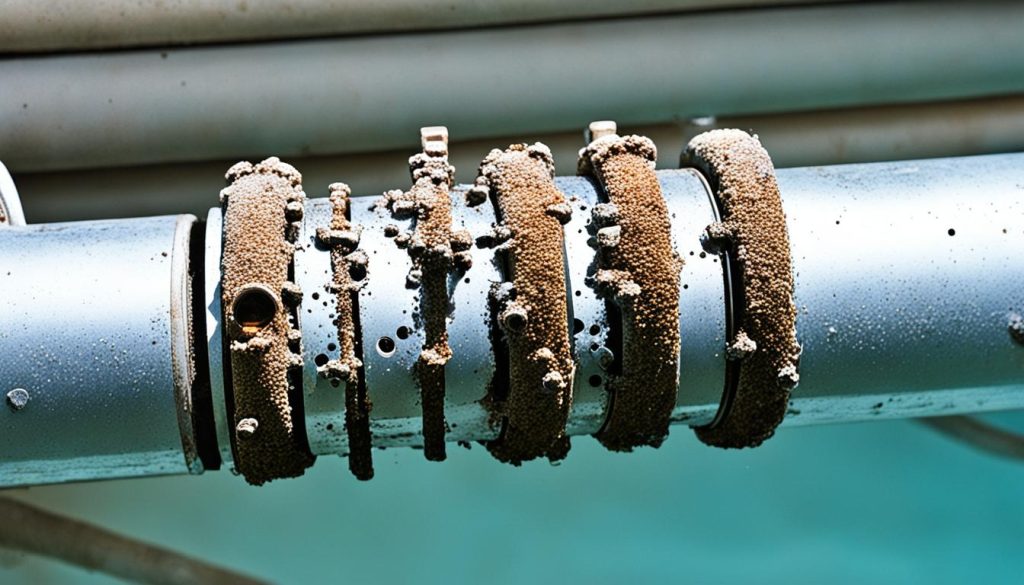
- Unusual noises such as popping, slamming, or cracking, which suggest overheating due to mineral deposits.
- Low water pressure, which can result from mineral deposits or an aging water heater.
If any of these signs are present, it’s important to call a water heater repair expert to assess the issue and provide the necessary repair services.
| Water Heater Repair | Water Heater Replacement |
|---|---|
| Addresses specific issues | Ensures long-term solution |
| Cost-effective for minor repairs | Offers energy efficiency |
| Short repair time | Increased capacity |
| Temporary fix for some issues | Reduced risk of future breakdowns |
Factors to Consider when Deciding to Repair or Replace
When faced with a malfunctioning water heater, it is important to assess whether repair or replacement is the best course of action. Several key factors should be considered to make an informed decision that aligns with your needs and budget.
Age of the Water Heater
The age of your water heater plays a significant role in determining whether it should be repaired or replaced. Gas water heaters typically have a lifespan of around ten years, while tankless water heaters can last 20 years or more. If your water heater is nearing the end of its expected lifespan, replacement may be a more cost-effective long-term solution.
Cost of Repairs
Another important factor to consider is the cost of repairs compared to the cost of a replacement. A commonly used guideline is the 50% rule. If the cost of repairs exceeds 50% of the price of a new water heater, it is often more economical to replace the unit entirely.
Frequency of Repairs and History of Problems
Take into account the frequency of repairs and the history of problems your water heater has experienced. If you find yourself constantly addressing issues and investing in repairs, it may be a sign that your water heater is nearing the end of its service life. Constant repairs can also contribute to significant repair costs over time.
Warranty and Safety Features
Consider the warranty and safety features of your current water heater. If your water heater is still under warranty, repairing it may be a viable option. Additionally, evaluate the safety features of your existing unit. Older water heaters may lack the latest safety features and energy-efficient technologies, making replacement a more attractive choice.
Household Hot Water Needs
Assess your household’s hot water needs when deciding whether to repair or replace your water heater. If your current water heater no longer meets the demands of your household and you frequently run out of hot water, replacement may be necessary to ensure a consistent supply.
By carefully considering these factors – the age of the water heater, the cost of repairs, the frequency of repairs, the warranty and safety features, and your household’s hot water needs – you can make an informed decision about whether to repair or replace your water heater.
Conclusion
In conclusion, when faced with the decision of whether to repair or replace your water heater, it is crucial to consider various factors. Repairing a water heater can be a cost-effective and time-efficient solution for minor issues, but replacement offers benefits such as energy efficiency, cost savings, and increased capacity.
Factors to consider include the age of the water heater, the nature of the issues, energy efficiency ratings, water quality, and getting a professional assessment. It is recommended to consult with a reliable plumbing service like Family Pride Plumbing, who offers water heater repair and replacement services.
Family Pride Plumbing ensures dependable and efficient hot water for your daily needs. Contact Family Pride Plumbing today to schedule a consultation and make the right decision for your water heater. Visit their website at https://familyprideplumbing.com/ or call (951) 447-8162.